


-

Add: HeBei ShengShi HongBang Cellulose Technology CO.,LTD.
-

Email
13180486930@163.com -

CONTACT US
+86 13180486930
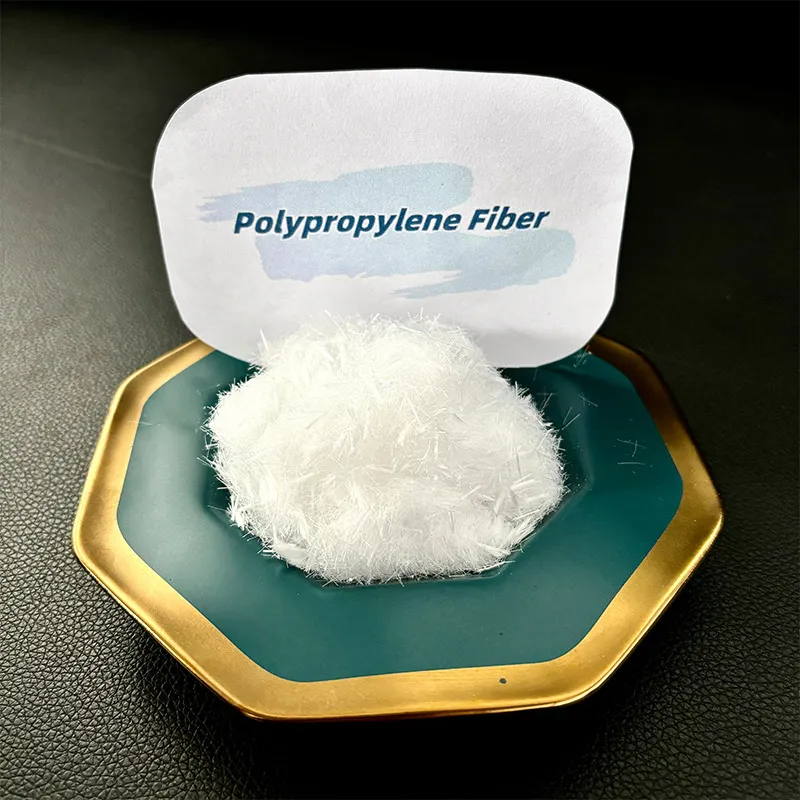


Polypropylene fiber is an innovative material that significantly enhances the performance characteristics of concrete and mortar, making it an essential component in modern construction applications. As a premier supplier, HeBei ShengShi HongBang delivers premium-grade polypropylene fibers that meet rigorous international standards for strength, durability, and performance optimization. Technical Specifications of Premium Polypropylene Fibers Parameter Standard Value Test Method Performance Benefit Fiber Length 3-20 mm ASTM D2130 Crack control optimization Diameter 18-45 microns ISO 1888 Optimal reinforcement distribution Tensile Strength 400-750 MPa ASTM D2101 Structural reinforcement Elastic Modulus 3.5-10 GPa ISO 527 Flexural strength enhancement Melting Point 160-170°C ASTM D7138 Heat resistance Density 0.91 g/cm³ ISO 1183 Ease of mixing Alkali Resistance >95% ASTM C1116 Concrete matrix longevity Dosage Rate 0.6-1.8 kg/m³ ACI 544 Plastic shrinkage reduction Industry Applications & Technical Advantages Concrete Reinforcement Our pp fiber products reduce crack formation by up to 85% while improving impact resistance by 150% (ACI Materials Journal). Mortar Enhancement Microfiber synthetic additives decrease permeability and improve freeze-thaw durability in mortar applications. Pavement Construction Integrating polypropylene fibre extends road lifespan by minimizing reflective cracking (Journal of Materials in Civil Engineering). Industrial Flooring Our fibers increase abrasion resistance and eliminate joint spacing limitations in warehouse slabs. Performance Analysis of Polypropylene Fibers Comparative strength development in fiber-reinforced concrete Surface durability under abrasion testing cycles (ASTM C944) Global market growth projections for synthetic fibers (2024-2030) Technical FAQ: Polypropylene Fiber Applications What fiber length provides optimal crack control? For most concrete applications, 12mm fibers demonstrate optimal performance with uniform dispersion and maximum crack-bridging capability according to RILEM technical recommendations. For spray applications, 6mm microfibers are preferred. How does aspect ratio affect reinforcement? Aspect ratio (length/diameter) directly influences bonding strength. We manufacture fibers with 200-500 ratios ideal for different mix designs. Higher ratios increase tensile strength but require careful mixing procedures. What polymer grade is suitable for aggressive environments? Our chemically-modified homopolymer fibers with pH stability from 1-13 withstand harsh chemical exposure exceeding 20 years according to ASTM C666 freeze-thaw certification. How does dosage affect compressive strength? Optimal dosages between 0.9-1.2kg/m³ increase compressive strength 15-20% as documented in ACI 544.3R reports. Higher dosages improve toughness but may slightly decrease workability. What surface treatments enhance bonding? Our proprietary hydrophilic coating improves fiber-matrix bond strength by 30% compared to untreated fibers (CTLGroup testing). This treatment also reduces mixing time. How do synthetic fibers compare to steel reinforcement? While steel provides primary reinforcement, polypropylene fiber offers secondary reinforcement with superior crack control, corrosion resistance, and freeze-thaw protection at 1/10 the material cost. What certifications does your production meet? Our manufacturing facility is ISO 9001:2015 certified with individual products meeting ASTM C1116, EN 14889-2, and JIS A6204 standards for consistent quality assurance. Industry Recognition & Technical Validation "Recent studies confirm that properly engineered polypropylene fibers can extend concrete service life by 40-60% by effectively controlling microcrack formation during critical curing stages." - International Journal of Concrete Structures and Materials Additional Technical References: "Performance Evaluation of Synthetic Fiber Reinforced Concrete" - American Concrete Institute ( www.concrete.org ) "Global Fiber Market Analysis 2023" - Fiber Cement Composite Research Council ( fibercomposites.org ) "Durability Enhancements through Microfibers" - Journal of Building Materials Science ( jbms.build ) "Comparative Analysis of Fiber Reinforcements" - Materials and Structures Journal ( matsstruct.springer.com ) "Advanced Production Techniques for PP Fibers" - International Fiber Association ( globalfibers.org ) Request Your Technical Sample Package Experience the ShengShi HongBang difference in our premium polypropylene fiber products engineered for superior performance. Contact Our Engineering Team Call: +86 13180486930 Email: 13180486930@163.com
- 40000tons

Production
- 20+years

Experience
- 5000+㎡

Acreage

-
Rubber powder, a groundbreaking material revolutionizing various industries, offers unparalleled benefits for manufacturers and consumers alike. Its application ranges from construction and manufacturing to consumer goods, making it a quintessential element in modern-day production. Those seeking high-quality samples of rubber powder, especially sourced from reputable suppliers, find themselves at an advantage in terms of product quality and innovation. When it comes to sourcing rubber powder, interest often peaks in companies that provide free samples. These samples allow prospective buyers to assess the quality firsthand, ensuring the material meets specific requirements before making large-scale orders. Reputable suppliers prioritize transparency by offering these samples, which play a pivotal role in establishing trust and credibility. Manufacturers are increasingly looking for that competitive edge, and having sample available rubber powder options can be a deciding factor in supplier selection. From an experiential perspective, companies that have delved into the use of rubber powder often report significant improvements in product performance. For instance, rubber powder's inclusion in asphalt mixes has been shown to increase road durability, while its integration into plastic compounds enhances flexibility and impact resistance. Such practical experiences, widely shared across industry reviews and case studies, underlie the trust in rubber powder's efficacy. Expertise in handling rubber powder is crucial for maximizing its benefits . Industry experts suggest selecting powders with consistent particle size distribution for uniform performance across applications. This knowledge, stemming from years of research and application, helps industries avoid common pitfalls such as material inconsistencies or application inefficiencies. Professionals versed in polymer sciences and material engineering frequently highlight the cost-effectiveness and sustainability of rubber powder, reinforcing its desirability. sample available rubber powder The authoritative voice in the rubber powder domain resonates through industry standards and certifications, which are paramount for quality assurance. Suppliers adhering to ISO standards and other international benchmarks inevitably draw more attention. Educational resources, including webinars and workshops conducted by material scientists, further bolster the authoritative knowledge surrounding rubber powder, delineating its properties and potential applications. Trustworthiness, arguably the most critical factor, is fortified through transparent communication between suppliers and clients, as well as consistent product quality. Companies renowned for their ethical sourcing and environmental responsibility drive confidence in rubber powder products. Transparency in revealing the sourcing of raw materials, such as the recycling process of rubber tires into powder, emphasizes sustainability—a key concern for today’s environmentally conscious businesses. In conclusion, rubber powder's growing application across diverse industries is directly intertwined with the availability of high-quality samples, demonstration of hands-on experience, expertise in its application, adherence to authoritative industry standards, and unwavering supplier trustworthiness. Companies that embrace these cornerstones when sourcing rubber powder stand to gain significantly, not only in terms of product development but also through sustained customer satisfaction and environmental stewardship. Whether enhancing product lines or seeking new innovations, the role of sample available rubber powder cannot be overstated as a catalyst for modern industry breakthroughs.
-

The Role of Hydroxypropyl Starch Phosphate in Hair Care Products In recent years, the beauty and personal care industry has witnessed a significant rise in the demand for novel and effective ingredients. Among these, hydroxypropyl starch phosphate (HPSP) has emerged as an intriguing component, particularly in hair care formulations. This versatile ingredient, derived from natural starch, is garnering attention for its multiple benefits and applications in improving hair health and aesthetics. What is Hydroxypropyl Starch Phosphate? Hydroxypropyl starch phosphate is a modified starch that is produced through the chemical modification of natural starches. The process involves introducing hydroxypropyl groups and phosphate esters into the starch molecules. This modification enhances the solubility of the starch in water and provides unique functional properties, making HPSP suitable for various cosmetic applications, including hair care. Benefits for Hair Care 1. Moisture Retention One of the standout features of hydroxypropyl starch phosphate is its ability to retain moisture. Hair that lacks hydration can appear dull, frizzy, and unmanageable. Products containing HPSP can help maintain moisture levels, providing the hair with a soft and smooth texture. This property is particularly beneficial for individuals with dry or damaged hair. 2. Film-Forming Agent HPSP acts as an excellent film-forming agent, creating a protective layer over the hair shaft. This barrier helps shield the hair from environmental stressors such as UV radiation, pollution, and heat damage. Moreover, this film enhances the overall appearance of hair by adding shine and reducing tangling, leading to easier styling. 3. Stabilization and Texture Improvement In addition to cosmetic benefits, hydroxypropyl starch phosphate contributes to the stability and texture of hair care formulations. It helps emulsify oils and water, ensuring a smooth and consistent product . This property is particularly advantageous in shampoos, conditioners, and styling products, where a pleasant texture and stability are vital for consumer satisfaction. hydroxypropyl starch phosphate hair 4. Gentle on Hair Since HPSP is derived from natural starch, it is often considered more gentle compared to synthetic polymers or harsh chemicals. This makes it suitable for sensitive scalps and can be a preferred choice for those looking for gentle yet effective hair care solutions. 5. Enhanced Manageability and Styling Hair products formulated with hydroxypropyl starch phosphate can improve the manageability of hair. By minimizing frizz and enhancing smoothness, HPSP allows for easier combing and styling. Furthermore, the added hold provided by the film-forming properties assists in maintaining hairstyles throughout the day. Applications in Hair Care Products Hydroxypropyl starch phosphate is used in a variety of hair care products, including - Shampoos To improve cleansing efficiency while maintaining moisture and preventing dryness. - Conditioners For detangling, enhancing shine, and providing a protective barrier for each strand. - Hair Masks To deeply nourish and hydrate, leaving the hair feeling soft and rejuvenated. - Styling Products Such as gels and mousses, where it helps to provide hold and control without stiffness. Conclusion As the hair care industry continues to evolve, the incorporation of innovative ingredients like hydroxypropyl starch phosphate underscores the importance of science-backed solutions for hair health. HPSP offers a multifaceted approach to hair care, providing hydration, protection, and improved manageability. For consumers seeking effective and gentle products, those containing hydroxypropyl starch phosphate may represent a promising option—blending tradition with modern advancements in beauty science. As more research and development occur in this field, it's likely that HPSP will continue to be a favored ingredient among formulators aiming to meet the diverse needs of hair care consumers.
advantages
-

200000 Viscosities
Excellent product
We can produce pure products up to 200,000 viscosities
-

40000 tons
High yield
We don’t stop production all year round, and the annual output can reach 40,000 tons
-

24 hours
Quality service
We provide 24-hours online reception service, welcome to consult at any time
———— Inquiry Form
Schedule A services
-
 basement_wall_reinforcement
Oct . 25, 2025
About the Author Dr. Emily Chen , PhD in Material Science with 15 years of experience in cellulose t -
 manufactured_fiber
Oct . 25, 2025
In the dynamic world of industrial applications, the need for reliable and effective thickening agen -
 matumizi_ya_nyuzi_za_polypropen
Oct . 25, 2025
Hemp polypropylene is rapidly gaining traction in the materials industry as an innovative and sustai


